Tips & Inspiration

The Tile Journal

Expert advice on kitchen and bathroom remodeling, tile trends, maintenance tips, and inspiration for your next project.


Mix and match tile sizes in a custom shower remodel

The Mix-and-Match Shower: Why Combining Tile Sizes Is the Design Move of 2026

Large format tiles on the walls. Small-scale hexagons on the floor. A matching niche accent that ties it all together. This is the shower design combination dominating Bay Area remodels in 2026 — and it's exactly what Vic's Tile does best.

Read Article
Epoxy grout shower remodel by Vic's Tile

When Good Tile Isn't Enough: Why This Customer Called Vic for an Epoxy Grout Rescue

The tile was installed. The shower looked fine — to most people. But this homeowner knew something was off, and he wasn't going to settle. Here's how Vic's Tile stepped in to do the job right with epoxy grout, and why it made all the difference.

Read Article
Heated floor tile installation

Is Radiant Floor Heating Worth It? What Bay Area Homeowners Should Know

Heated floors have gone from a luxury upgrade to one of the most requested features in Bay Area remodels. We break down how the Schluter Ditra Heat system works, what it costs, and whether it's right for your home.

Read Article
Before and after floor tile installation with Schluter Ditra Heat system

1,200 Sq Ft of Wood-Look Tile with Heated Floors: A Complete Home Transformation

When a family in the Bay Area set out to remodel their entire home, they trusted Vic's Tile to handle over 1,200 square feet of flooring — including a Schluter Ditra Heat system beneath stunning 6x24 wood-plank porcelain tile. Here's how the project came together.

Read Article

Bathroom tile remodel

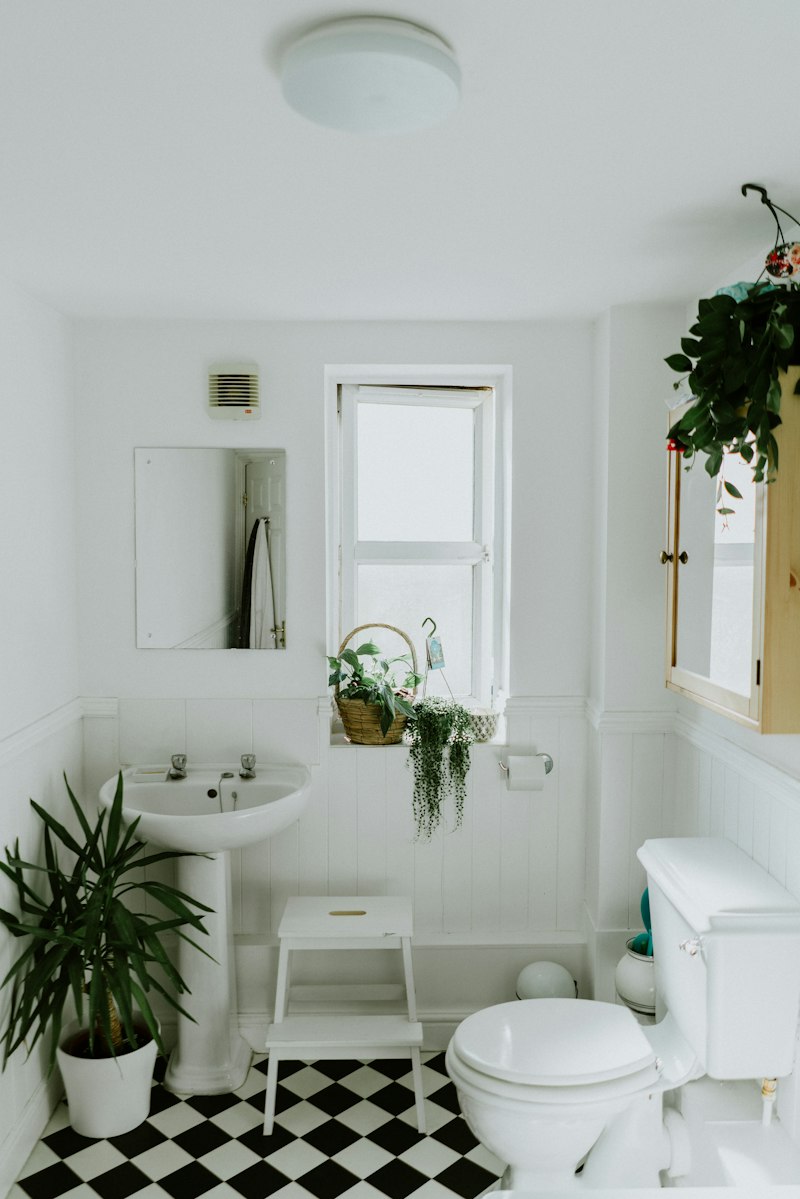
5 Tile Trends Transforming Bay Area Bathrooms in 2026

From large-format porcelain to handcrafted zellige, bathroom tile design has never been more exciting. Here's what homeowners across Livermore, Pleasanton, and San Ramon are choosing for their remodels this year.

Read Article

Kitchen backsplash

How to Choose the Right Kitchen Backsplash: A Complete Guide

Your kitchen backsplash does more than protect your walls — it sets the tone for the entire space. We break down everything you need to consider before making your selection.

Read Article

Tile maintenance

How to Keep Your Tile Looking Brand New: Grout & Tile Care Tips

Beautiful tile work is an investment. With the right maintenance routine, your tile will look just as stunning in ten years as it does the day it's installed. Here's how.

Read Article

Back to Blog

5 Tile Trends Transforming Bay Area Bathrooms in 2026

Bathroom remodeling has evolved significantly over the past few years, and 2026 is shaping up to be one of the most exciting years for tile design. Homeowners across Livermore, Pleasanton, San Ramon, and Danville are moving away from safe, predictable choices and embracing bolder, more personalized tile work. Here are the five trends we're seeing most in our projects right now.

1. Large-Format Porcelain Tiles

The days of small mosaic floor tiles are giving way to large-format porcelain slabs — think 24x48 inch tiles that create a seamless, spa-like feel. Fewer grout lines mean a cleaner look and easier maintenance. These oversized tiles work beautifully on shower walls and bathroom floors, creating a sense of space even in smaller bathrooms.

Vic's Tip

Large-format tiles require a very flat, properly prepared substrate. Don't skip the floor leveling step — it makes all the difference in the final result.

2. Warm Neutral Tones

Cool grays are out. Warm creams, taupes, and greiges are dominating bathroom palettes in 2026. These earth-toned tiles pair beautifully with natural wood vanities, matte black fixtures, and warm brass hardware — a combination we're installing constantly across the Tri-Valley.

3. Statement Shower Floors

The shower floor is becoming a canvas for artistic expression. Custom stone mosaics — including intricate patterns, sea turtles, and nature-inspired designs — are one of Vic's Tile's most requested specialties. A custom mosaic floor transforms an ordinary shower into a true showpiece that visitors always notice first.

4. Textured Wall Tiles

Flat, glossy wall tiles are being replaced by dimensional, textured surfaces — rippled ceramics, handmade-look tiles with slight irregularities, and 3D geometric patterns that play with light throughout the day. These add depth and interest without requiring complex installation patterns.

5. Floor-to-Ceiling Tile

Rather than tiling just the shower surround, more homeowners are taking tile all the way to the ceiling — and even across an entire accent wall. This creates a cohesive, enveloping feel that makes bathrooms feel intentional and luxurious rather than simply functional.

Ready to Remodel?

If any of these trends caught your eye, give Vic a call at (925) 699-8549 or fill out the contact form at vicstile.com. We'll walk you through the options and provide a free estimate.

Back to Blog

How to Choose the Right Kitchen Backsplash: A Complete Guide

The kitchen backsplash is one of the most impactful design decisions in any kitchen remodel. It's highly visible, highly functional, and it ties together your cabinets, countertops, and appliances into a cohesive space. But with so many materials, patterns, and colors available, choosing the right one can feel overwhelming. Here's how to think through it.

Start with Your Countertops

Your backsplash should complement your countertops, not compete with them. If you have a busy, veined quartz or granite countertop, a simple subway tile or solid-color backsplash lets the countertop shine. If your countertops are understated — white quartz or solid butcher block — your backsplash has room to make a statement.

Consider the Cabinet Color

White cabinets are the most versatile canvas and work with virtually any backsplash. Dark navy or charcoal cabinets (a popular choice we're installing frequently in Livermore and Pleasanton) pair beautifully with light, bright tiles like white subway, cream zellige, or pale stone. Wood-toned cabinets work best with warm neutral tiles that echo the natural tones.

Vic's Tip

Always look at backsplash samples in your actual kitchen under your actual lighting before committing. Tile looks dramatically different under warm incandescent light versus cool LED versus natural daylight.

Material Options

Ceramic & Porcelain

The most popular choice for good reason — durable, easy to clean, available in endless colors and formats, and relatively affordable. Classic subway tile in a 3x6 or 4x8 format remains timeless and works in nearly every kitchen style.

Natural Stone

Marble, travertine, and slate backsplashes add warmth and organic character that manufactured tile can't fully replicate. They do require sealing and more careful maintenance to prevent staining, particularly near the stove.

Glass Tile

Glass tiles add a luminous quality and work especially well in kitchens with limited natural light. They reflect both natural and artificial light beautifully. The warm amber and gold glass mosaic tiles we frequently install create a rich, jewel-like effect behind a range.

Don't Forget the Grout

Grout color has a massive impact on the final look. Matching grout to the tile creates a seamless, monolithic effect. Contrasting grout (dark grout with light tile, or vice versa) emphasizes the tile pattern and creates more visual interest. For kitchen backsplashes near the stove, we always recommend epoxy grout — it's stain-resistant and far easier to keep clean over time.

Get Expert Help

Not sure what will work best in your kitchen? Vic has installed hundreds of kitchen backsplashes across the Tri-Valley and can walk you through the right choice for your specific space. Call (925) 699-8549 for a free consultation.

Back to Blog

How to Keep Your Tile Looking Brand New: Grout & Tile Care Tips

One of the most common questions we get after completing a tile installation is: "How do I keep it looking this good?" The answer is simpler than most people expect. With the right routine and the right products, your tile can look installation-fresh for decades.

Sealing: The Most Important Step

Most natural stone tiles and most grout lines need to be sealed after installation — and periodically resealed over time. Sealer fills the microscopic pores in stone and grout, preventing moisture, oil, and staining agents from penetrating the surface. Without sealer, even a small amount of red wine or cooking oil can permanently stain grout within minutes.

How Often to Reseal

Shower grout: every 1-2 years. Kitchen backsplash grout: every 2-3 years. Natural stone floors: every 1-3 years depending on traffic and stone type. A simple test — drop water on the surface. If it beads up, you're sealed. If it absorbs, it's time to reseal.

Daily & Weekly Cleaning

For regular cleaning, less is more. Avoid harsh acidic cleaners (including vinegar, which is commonly recommended but actually etches natural stone and degrades grout over time). Instead, use a pH-neutral tile cleaner or simply warm water with a few drops of dish soap. A soft microfiber mop or cloth is all you need for most surfaces.

For shower tiles, the single best habit is squeegeeing the walls after every shower. It takes 30 seconds and dramatically reduces soap scum buildup and hard water deposits.

Tackling Grout Discoloration

Grout that has turned gray or brown is usually a combination of soap scum, hard water minerals, and mildew — not permanent staining. A grout-specific cleaner with a stiff brush will restore most grout to near-original color. For stubborn discoloration, an oxygen bleach solution (not chlorine bleach, which can damage colored grout) applied for 10-15 minutes works well.

If grout has cracked or is coming loose, don't ignore it. Deteriorating grout allows water to penetrate behind the tile, leading to substrate damage that can require a full retile to fix properly. Regrouting a section is a straightforward repair that protects a much larger investment.

Hard Water & Mineral Deposits

Hard water is common throughout the Tri-Valley and leaves white, chalky deposits on tile and glass. A solution of warm water and a small amount of phosphoric acid-based cleaner (found at tile supply stores) dissolves mineral deposits effectively. For daily prevention, a water softener or shower filter is worth considering if you're seeing heavy buildup.

Need a Refresh?

If your existing tile is looking worn, stained, or dated, Vic's Tile offers regrouting and tile restoration services in addition to full remodels. Sometimes a regrout and reseal is all it takes to make a bathroom look brand new. Call (925) 699-8549.

V
Vic's Tile
Free estimate · Usually replies instantly
Powered by AI · Request a free estimate
Back to Blog

1,200 Sq Ft of Wood-Look Tile with Heated Floors: A Complete Home Transformation

Some projects stand out not just for their scale, but for the care that goes into every square foot. This past June, Vic's Tile completed one of our most comprehensive flooring projects to date — over 1,200 square feet of 6x24 wood-plank porcelain tile throughout an entire home, paired with a Schluter Ditra Heat radiant floor system. The result? A complete transformation that left the family speechless.

Before and after: full home floor tile installation with Schluter Ditra Heat

The Project: Whole-Home Flooring Replacement

The homeowners were in the middle of a full home remodel and needed a flooring solution that was durable, beautiful, and warm underfoot. They chose 6x24 inch porcelain tiles in a wood-plank format — a popular choice that delivers the warmth and character of hardwood with the durability and water resistance of tile. The before photos tell the story: bare subfloor, orange Ditra membrane, and leveling clips — the unglamorous but essential foundation for a flawless result.

What You're Looking At

The orange material in the before photo is the Schluter Ditra-Heat membrane — an uncoupling mat that supports the heating cables and protects the tile from subfloor movement. Those red clips are tile leveling spacers that ensure every tile lays perfectly flat.

Why Schluter Ditra Heat?

The Schluter Ditra Heat system is one of the most trusted radiant floor heating solutions available. It combines an uncoupling membrane (which prevents tile cracking from subfloor movement) with an integrated heating cable system. For homeowners who want heated floors throughout a large space, it's the professional's choice — reliable, efficient, and built to last.

Across 1,200+ square feet, proper installation of the heating cables is critical. Uneven spacing leads to cold spots; improper embedding leads to tile failure. This is exactly the kind of work where experience matters.

Vic's Tip

Always test your heating cables with a resistance meter before and after tile installation. It takes five minutes and can save you from tearing up a finished floor if there's an issue.

The Tile: 6x24 Wood-Plank Porcelain

Wood-look porcelain tile has become one of the most popular flooring choices in Bay Area homes, and it's easy to see why. It captures the warmth and grain of real hardwood while standing up to spills, humidity, and heavy foot traffic in a way wood simply can't. At 6x24 inches, these planks create a flowing, continuous look that makes every room feel larger and more connected.

Installing long-format planks correctly requires careful attention to layout, consistent grout joints, and a perfectly level substrate — all areas where shortcuts show up immediately and permanently.

What the Family Said

"My daughter was remodeling her entire house and Vic's Tile — Victor did the tile over 1,200 square feet, with heated floor throughout using the Schluter Ditra Heat system and 6x24 inch tiles that look like wood planks. He did such great work and our experience was top notch! I would highly recommend Victor with Vic's Tile!"

Thinking About Heated Floors?

Radiant floor heating is one of those upgrades that homeowners rarely regret. If you're already planning a tile installation, adding in-floor heat is much more cost-effective to do at the same time than retrofitting later. Vic's Tile installs the Schluter Ditra Heat system throughout the Bay Area — from Livermore and Pleasanton to Danville, San Ramon, Walnut Creek, and beyond.

Ready to talk about your project? Request a free estimate and Vic will get back to you promptly.

Back to Blog

Is Radiant Floor Heating Worth It? What Bay Area Homeowners Should Know

Heated floors used to be a feature you'd only find in high-end custom homes. Today, they're one of the most requested upgrades we hear about at Vic's Tile — and for good reason. With systems like the Schluter Ditra Heat, radiant floor heating is more accessible, more reliable, and more efficient than ever. But is it right for your home? Here's everything you need to know before making the decision.

How Radiant Floor Heating Works

Electric radiant floor heating works by running heating cables beneath your tile, warming the floor surface from below. Unlike forced-air heating that blows warm air from vents, radiant heat rises evenly from the floor — creating a comfortable, consistent warmth at foot level rather than hot air pooling at the ceiling.

The Schluter Ditra Heat system, our preferred solution for tile installations, integrates the heating cables into a specialized uncoupling membrane. This membrane serves double duty: it decouples the tile from the subfloor to prevent cracking, and it provides a channel for the heating cables. It's an elegant, professional-grade solution.

Good to Know

Electric radiant systems heat up quickly — typically reaching target temperature in 30–60 minutes — and are most efficient when used with a programmable thermostat that warms the floor before you wake up or arrive home.

What Does It Cost?

For a typical bathroom (40–60 sq ft), expect to add roughly $500–$1,200 to your tile installation for a radiant heat system, including materials and labor. For larger spaces like a full living area or whole-home flooring, the cost scales accordingly but the per-square-foot price often decreases. The key is installing it during a tile project — retrofitting later means tearing up finished floors.

Operating costs are modest for bathrooms used on a timer. Larger whole-home systems will add more to your electric bill, but many homeowners find they use their central heating less as a result.

Is It Worth It?

For bathrooms, the answer is almost always yes. Stepping onto a warm floor on a cold morning is a genuine daily luxury, and it adds tangible resale value. For whole-home flooring, it depends on your priorities and energy costs — but our clients who've done it rarely have regrets.

The best time to add radiant heat is when you're already doing a tile installation. If you're planning a bathroom remodel, kitchen renovation, or whole-home flooring replacement in Livermore, Pleasanton, Danville, Walnut Creek, or anywhere in the Bay Area, ask us about including a Ditra Heat system in your project.

Vic's Tip

Pair your radiant system with a programmable thermostat — ideally one with a floor sensor. Set it to warm up 45 minutes before your morning routine and you'll never think about it again. It just works.

Ready to Explore Heated Floors?

Vic's Tile installs the Schluter Ditra Heat system throughout the Bay Area as part of our tile flooring installations. Whether you're remodeling a single bathroom or replacing flooring throughout your home, we can walk you through the options and give you an honest assessment of what makes sense for your project and budget.

Request a free estimate — Vic will get back to you promptly.

Back to Blog

When Good Tile Isn't Enough: Why This Customer Called Vic for an Epoxy Grout Rescue

Some homeowners know exactly what they want — and they know when it's not right. That was the case with this Bay Area client, who had a shower tiled by another contractor and walked away unsatisfied. The tile was in. The job was done. But the grout wasn't what he had asked for, and he wasn't willing to live with it. So he called Vic's Tile.

Epoxy grout shower installation in progress — hexagon floor tile and large format white wall tile

The Problem: Settling for "Good Enough" Isn't in This Customer's Vocabulary

The original contractor had done a passable job — large format white wall tile, gray hexagon floor tile, a built-in niche with matching hex accents. On paper, it checked all the boxes. But the grout wasn't epoxy, and this customer had specifically wanted epoxy grout for its superior stain resistance, durability, and longevity. When the work was done with standard grout instead, he wasn't interested in making excuses for it.

He'd heard about Vic's reputation for precision work and called to ask if the grout could be replaced with epoxy. The answer was yes — but it would take expertise to do it right without damaging the tile.

What Is Epoxy Grout?

Unlike standard cement-based grout, epoxy grout is made from epoxy resins and a hardener. It's virtually impervious to stains, chemicals, and moisture, making it ideal for showers. It doesn't require sealing, won't crack, and maintains its color indefinitely. The tradeoff: it's significantly harder to work with and must be applied correctly the first time.

The Work: Precision Over Speed

Replacing existing grout with epoxy isn't simply a matter of applying new material over old. The existing grout has to be carefully removed from every joint without scratching or chipping the surrounding tile — a painstaking process on large format tile, and even more demanding on the 2-inch hexagon mosaic floor where the joints are numerous and closely spaced.

Once the joints were cleared and cleaned, the epoxy grout was mixed and applied within its working time window. Epoxy grout is unforgiving — it sets faster than standard grout and requires consistent technique to avoid uneven color or haze on the tile surface. The niche received the same hexagon tile treatment as the floor, creating a cohesive look throughout the shower.

Completed epoxy grout shower with hexagon floor tile, frameless glass, and dark floor tile

The Result

The completed shower speaks for itself. Clean, consistent grout lines in the hexagon floor, sharp transitions at the threshold, and a uniformity of finish that the original job simply didn't have. The dark charcoal floor tile outside the shower provides a striking contrast to the white walls and gray hex interior — a design decision that works precisely because the execution is flawless.

The customer got exactly what he'd asked for from the start. The only difference was the contractor.

Vic's Tip

If you're considering epoxy grout for your shower, plan for it from the beginning — it's much easier to install during original construction than to retrofit later. And if you're comparing bids, make sure you're comparing the same grout type. Standard grout and epoxy grout are not the same product, and the difference in long-term performance is significant.

Thinking About a Shower Remodel?

Whether you need a full custom shower build, a grout replacement, or a repair on work that wasn't done to your standards, Vic's Tile serves homeowners throughout the Bay Area — Livermore, Pleasanton, Danville, San Ramon, Walnut Creek, Oakland, San Jose, and beyond. We'll tell you upfront what the job requires and do it right the first time.

Request a free estimate — Vic will get back to you promptly.

Back to Blog

The Mix-and-Match Shower: Why Combining Tile Sizes Is the Design Move of 2026

If you've been scrolling through home design inspiration lately, you've probably noticed a pattern: the best-looking showers aren't using one tile throughout. They're combining sizes — large format slabs on the walls, small-scale mosaics or hexagons on the floor, and a carefully chosen accent in the niche. It's a design approach that looks intentional and high-end, and it's become one of the most requested shower styles we see at Vic's Tile across the Bay Area.

Custom shower with large format white wall tile and gray hexagon floor tile during installation

Why It Works: The Logic Behind the Contrast

The appeal of mixing tile sizes isn't just aesthetic — there's real design logic behind it. Large format tiles on shower walls (think 12x24, 16x32, or larger) create a clean, expansive backdrop with minimal grout lines. The eye reads the wall as a single continuous surface, which makes the space feel bigger and calmer.

Then the floor does the opposite. Small-scale tile — 2-inch hexagons, penny rounds, or mosaic sheets — adds visual texture right where you need it most: underfoot. The smaller format also provides more grout lines per square foot, which translates to better grip and slip resistance in a wet shower floor. Form follows function in the best possible way.

The niche is where it gets really interesting. A recessed shower shelf tiled in the same small-format material as the floor creates a visual callback that feels intentional — like the designer thought it through. Which, when it's done well, they did.

What You're Seeing

The shower above features large format porcelain on the walls paired with 2-inch gray hexagon mosaic on both the floor and the built-in niche. The threshold is tiled in the same large format wall tile for a clean transition. This kind of coordination is what separates a tile job from a tile design.

The Most Popular Combinations in 2026

Based on what we're seeing across projects in Livermore, Pleasanton, Danville, Walnut Creek, and San Ramon, these are the mix-and-match combinations getting the most attention right now:

Large format white or light gray walls + gray hex floor. The classic. Clean, modern, and timeless enough that it won't feel dated in five years. Works in any size bathroom.

Warm travertine-look walls + terracotta or earth-tone hex floor. The warmer alternative to the cold gray palette that dominated the last decade. Bay Area homeowners are increasingly moving toward warmth and texture.

Dark dramatic walls (black, charcoal, deep navy) + white hex or penny round floor. High contrast, high impact. Works especially well in a primary suite bathroom where you want a spa-like feel.

Fluted or textured wall tile + smooth floor tile. Mixing texture rather than just size. The ribbed, bouclé-style wall tile trending in 2026 pairs beautifully with a simple, clean floor that lets the wall do the talking.

What Makes It Hard to Execute

The reason this look requires an experienced tile contractor isn't the concept — it's the execution. When you're working with two completely different tile formats in the same space, every transition becomes a decision: Where exactly does the wall tile stop and the floor tile begin? How do you handle the threshold so neither tile gets cut awkwardly? How do you keep both patterns visually balanced when the scale is so different?

Small-format mosaic tiles are also significantly more labor-intensive to install correctly. On a 2-inch hexagon floor, you're managing dozens of grout joints per square foot. Getting them consistent, level, and properly sealed — especially with epoxy grout, which sets fast and requires precise technique — is skilled work.

Completed custom shower with hexagon floor tile, frameless glass door, and contrasting bathroom floor tile

The Finished Result

The completed shower above shows what this combination looks like when it's done right. The frameless glass door keeps the design open and airy. The charcoal bathroom floor outside the shower provides a third layer of contrast that anchors the whole space. Every transition — threshold, niche edge, floor-to-wall — is clean and deliberate.

This particular project also used epoxy grout throughout, which means those grout lines will stay looking this good indefinitely. No staining, no sealing, no watching the grout darken over time in a wet shower environment.

Vic's Tip

If you're going with a mix-and-match design, settle on your tile selections before finalizing your layout — not after. The transition point between wall and floor tile, and the niche accent choice, all affect how the finished space reads. A few extra decisions upfront saves a lot of second-guessing on installation day.

Planning a Shower Remodel in the Bay Area?

Vic's Tile installs custom showers throughout the Bay Area — Livermore, Pleasanton, Dublin, Danville, San Ramon, Walnut Creek, Tracy, and beyond. Whether you have a design in mind or need help figuring out what will look right in your space, we're happy to walk you through the options during a free estimate.

Request a free estimate — Vic will get back to you promptly.